Two units, two fireplaces, two flues
When you buy a duplex, a triplex or a small apartment building, you are buying every chimney on the roof along with it. The general home inspector will usually walk past each fireplace, shine a light into the firebox and write a line recommending a specialist. That line is where many buyers stop. On a building with several fireplaces it is also where the expensive surprises start, because one note about "the fireplace" can hide two or three separate flues in different condition.
This post is for buyers of small multi-unit properties in Cerritos and the cities nearby. It covers what the chimney check should include, what it costs, and how the findings fit into the purchase.
Count before you schedule
The first job is counting. Listing photos tend to show the nicest living room. Go through the disclosures and walk the units if you can.
- How many fireplaces are there in total, unit by unit?
- Which burn wood, which burn gas, and which are sealed off?
- How many stacks are on the roof, and does any stack carry more than one flue?
- Is there a fireplace in a bedroom, a back unit or a garage conversion?
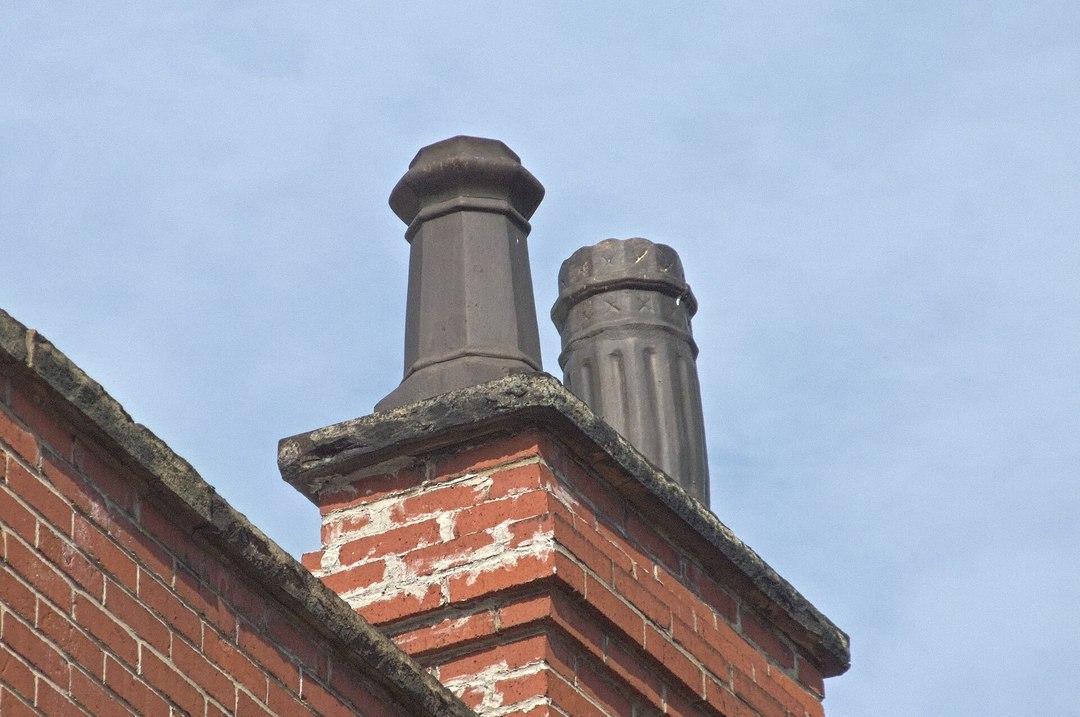
Older duplexes in Artesia and Cerritos often have a fireplace on each side sharing one masonry stack in the middle. That is one stack on the roof but two flues inside it, and both have to be inspected. A crack between them can let one tenant's smoke into the other's living room.
What the purchase inspection should be
For a property changing hands, every flue should get the camera inspection. A visual inspection only shows the top, the bottom and what can be seen between; the camera follows the flue through the whole building and records what it finds. NFPA 211 treats a sale as a reason to go to that depth, and on a building it is the only way to compare one flue against the next.
| Item, per fireplace | Price |
|---|---|
| Camera inspection, full flue, for the purchase file | $370 |
| Visual check only, for a sealed fireplace kept sealed | $52 |
A sealed fireplace that will stay sealed can be looked at visually, though its stack still needs checking from the roof. Every fireplace that a tenant might use, or that you plan to convert, should get the camera.
What decides your next step after the report
The report sorts every finding for every fireplace into three groups. What you do next depends on which group the findings land in, and how many units they touch.
- Stop using. A cracked flue tile, a gap that lets smoke into framing, a missing liner on a gas insert. These are repair items, and they belong in your request to the seller.
- Plan for. A crown starting to crack, a cap rusting, flashing near the end of its life. Useful for budgeting the first year of ownership.
- Cosmetic. Stained brick, chipped hearth tile. Rarely worth a negotiation.
Anything in the first two groups gets a written quote beside it. Some have printed prices: a leak traced and repaired is $525 to $3,150, and a cricket behind a wide stack is $420 to $950. A new cap is quoted after we measure. Liners, crown rebuilds and similar work are quoted in writing after the camera run.
To get that set of numbers, use the form on this page and tell us the address, the number of units, the fireplaces in each and the date your inspection period ends. We will tell you what is open and what the visit will cost before you commit.
Who has to be there
Access usually comes through the listing agent. In an occupied building, the seller's side arranges tenant notices. We need each fireplace and the roof. You do not need to attend, though buyers who come along get to see the camera picture as it runs, and that is often the clearest way to understand a finding.
Plan for the roof. Most duplexes and small buildings need a ladder at the side of the building and a clear path to it. If the roof is steep, tiled or more than two stories up, mention it when you book so we arrive with the right equipment. A roof we cannot safely reach is noted on the record, along with what we could and could not see from below, so you know exactly what the report covers and what it does not.
What the buyer receives
The buyer who orders the inspection receives a set of dated pages, one per fireplace, labelled by unit. Each has photos, the ranked findings and any written quote. A summary sheet lists every fireplace and its status. If your agent should be copied, tell us when you book. If the seller asks for the report, that is your decision, and we send it where you tell us.
For a property you are about to own, these pages are also the start of your records. Next year's inspection begins from them, and tenants' questions can be answered from them.
After you close
New owners of rental buildings often put every fireplace on one yearly date from the first year. At that point most fireplaces drop to the visual inspection at $52 each, with the camera only where something changes. Per-fireplace inspection pricing sets out how we price a building visit, and hiring chimney service for a building covers what to expect from whoever you hire.
If you are the agent rather than the buyer, the page for real estate agents covers scheduling inside the contingency period. If the inspection turns up code items, the code repairs page goes through them one by one.
Before you sign
Count the fireplaces, note the end of your inspection period and send the details from the contact page. We will reply with the visit cost per flue and what is open.
Every Fireplace at the Address, One Visit
Pope Chimney Care numbers each flue, checks each unit and writes one page per fireplace, then quotes any repair in writing. Book from Cerritos, Artesia, Santa Fe Springs, Cypress or the cities around them.