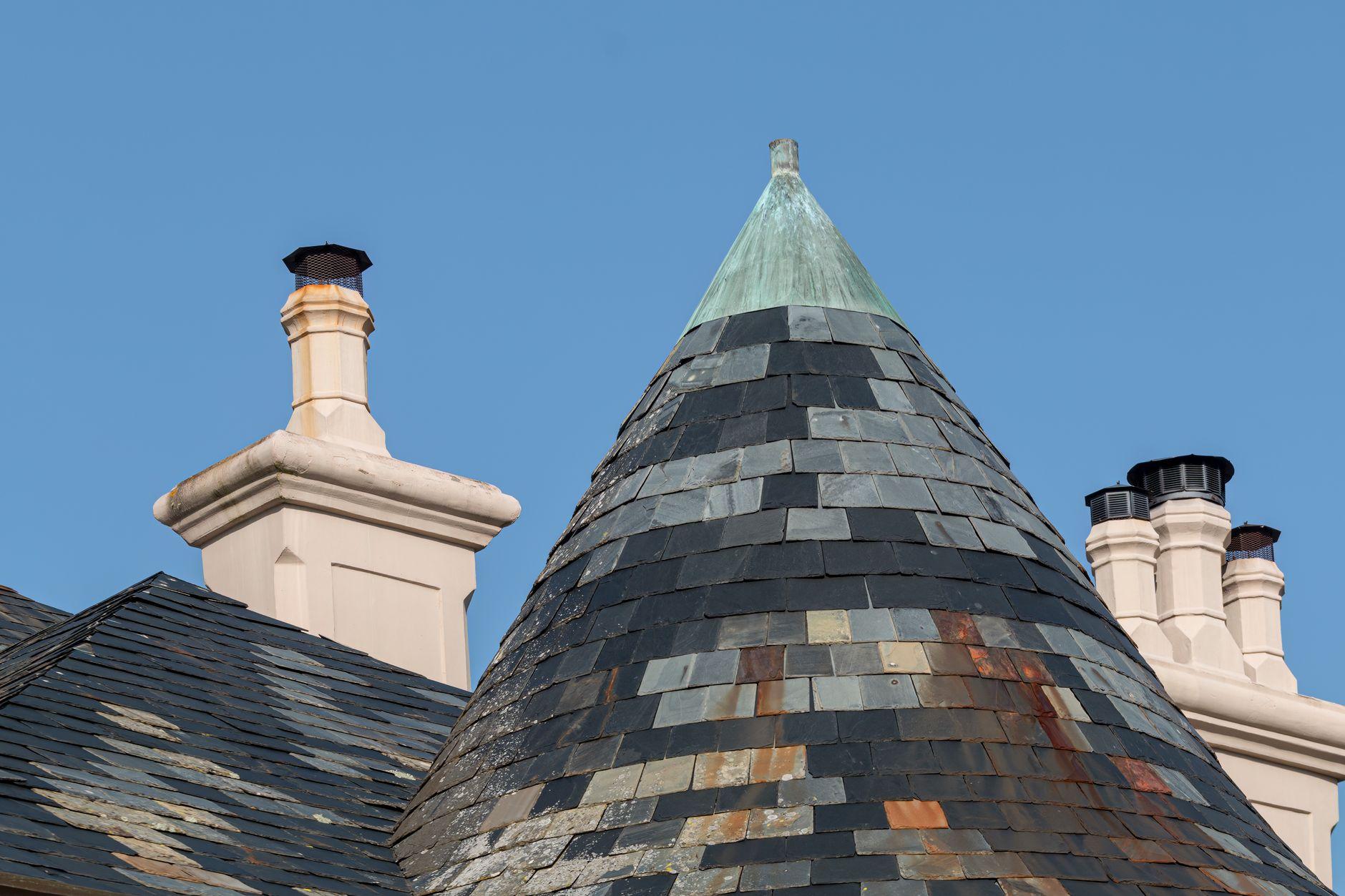
Why condo buildings have so many metal chimney tops
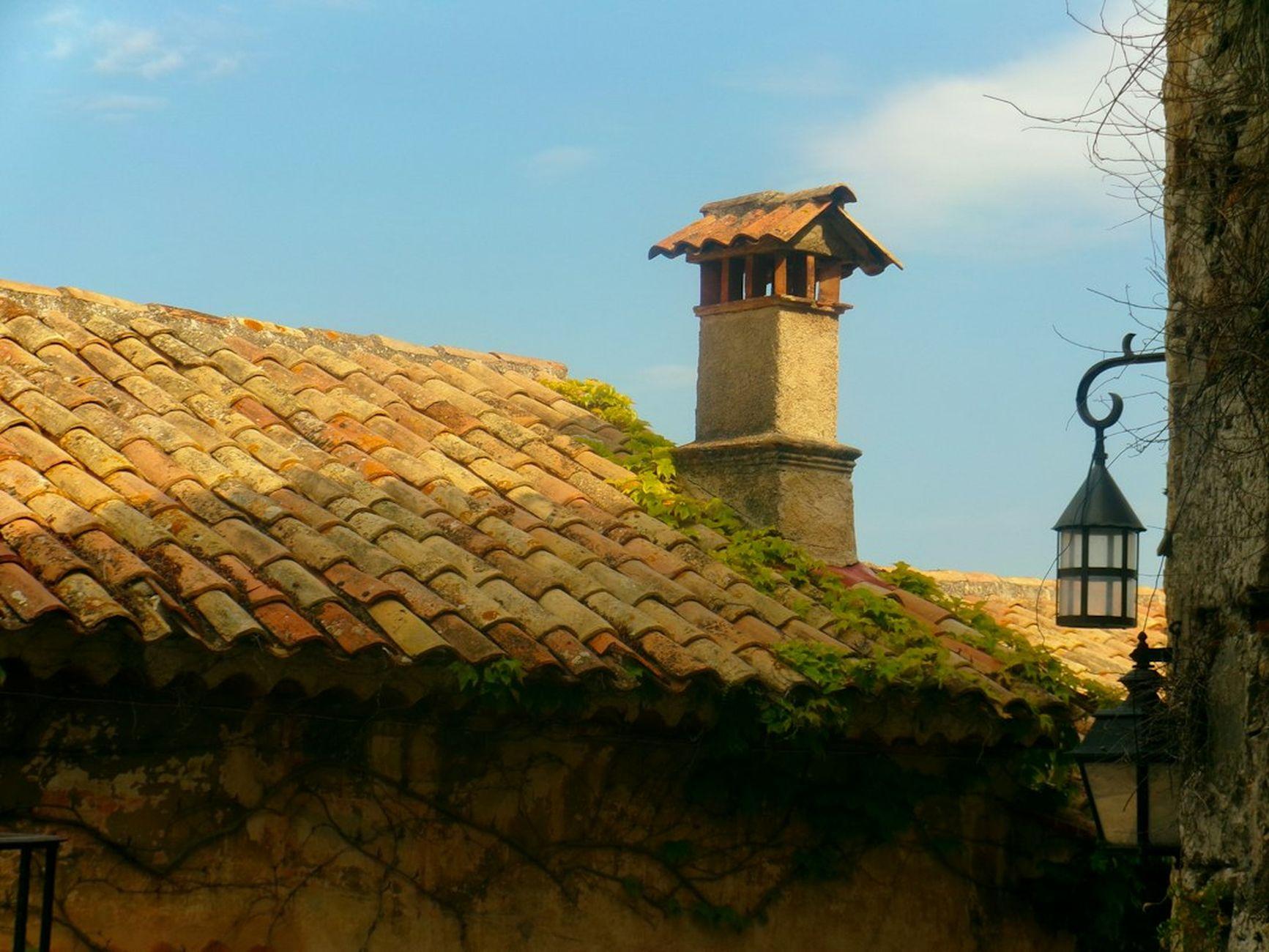
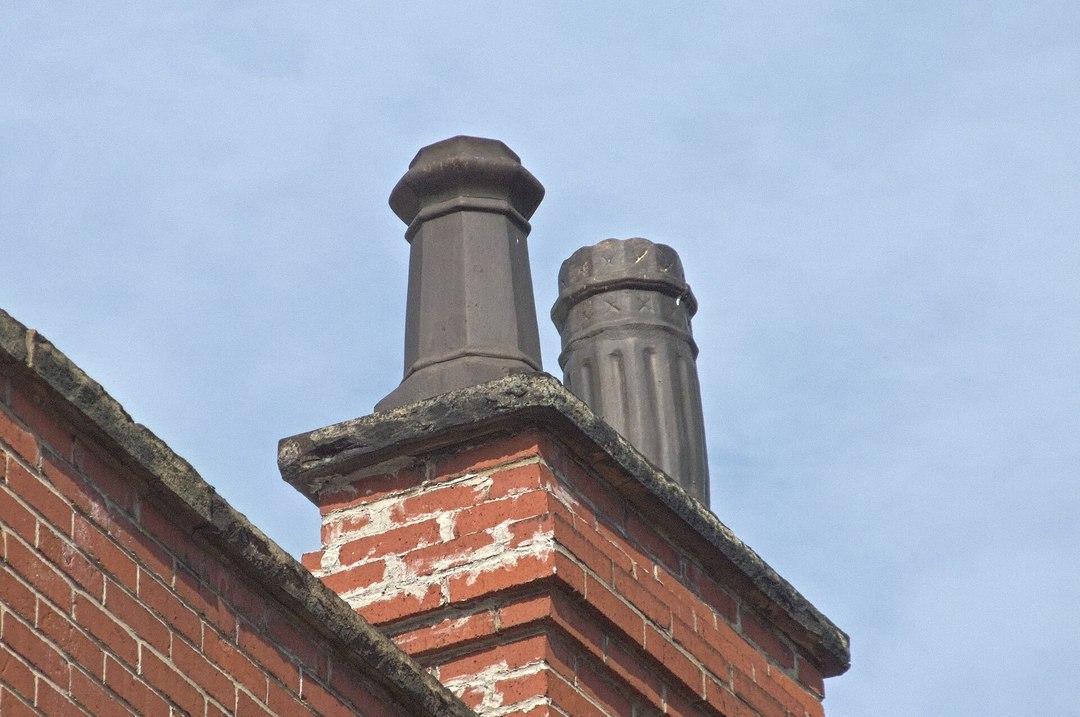
Walk the parking lot of many older condo or townhome complexes around Cerritos and you will see a row of boxy chimneys on the roofline, clad in stucco or siding to match the building. Most of them are not masonry. They are wood-framed enclosures built around a metal flue, called chases, and the top of each one is closed by a sheet-metal pan with a hole for the flue to pass through. That pan is the chase cover.
On a single house, one chase cover is a small job. On a condo building, there may be twenty of them, all installed in the same week by the same builder, all reaching the end of their life at roughly the same time. That is why associations end up dealing with them as a project, not a repair.
This post is for boards and managers weighing that project: what fails, what an inspection of the roofline records, what decides the quote for each chase, and what paperwork the board gets to file. It is written for buildings with several units, where the count matters as much as the metal.
What goes wrong with them
The original covers on many of these buildings were galvanized steel. Damp marine air drifts inland and works on bare steel, and winter rain sits in any low spot. Over the years the coating wears, rust starts at the seams and the low centre, and eventually water finds a pinhole.
From the ground the first signs are usually orange streaks down the stucco below the cover. Inside, an owner may notice a stain on the ceiling near the fireplace, a damp smell when it rains, or rust on the top of a metal firebox. By the time it shows inside, the wood framing of the chase has often been wet for several seasons.
Other things we find on the roof:
- covers that were made flat, so water pools instead of running off;
- sealant around the flue collar that has dried, shrunk and pulled away;
- missing or loose storm collars on the flue pipe;
- caps on top of the flue that have rusted through or blown off in a Santa Ana wind.
What we check on each chase
For an association, the job starts with an inspection of every chase on the roof, recorded one by one against the unit numbers below. On each we look at the cover's metal and shape, the flue collar and sealant, the cap on the flue, the cladding of the chase and its seams, and, from inside the unit, any staining or rust that shows water has already got in.
That inspection is priced per fireplace like any other: $52 for the visual check, $370 for a camera run where staining suggests water has reached the flue or the firebox. A new cap on top of a flue is quoted on site.
What decides the quote for a building
New chase covers are quoted in writing, per chase, after the inspection. The figure for each depends on:
- The size and shape of the chase top. Older builders did not use standard sizes, so covers are made to measure.
- The metal. Stainless steel lasts longest in damp air; we will tell you what we suggest for the building and why.
- Whether the framing underneath is sound. Rotten plywood or studs at the top of the chase has to be replaced before a new cover goes on, and that is quoted separately for each chase where we find it.
- Access. Low single-story roofs are quicker than three-story walk-ups.
- The count. A building with every chase done at once avoids setting up on the same roof several times.
Most boards ask for the whole roofline priced together and then decide how much to do this budget year. Use the form on this page to tell us the number of buildings, the number of chases on each and where owners have reported leaks, and we will set up an inspection and send itemized quotes per chase afterwards.
What the board receives
Every chase gets a dated page tied to the unit or units below it, with photos of the cover, the collar and the cladding and a ranking: replace now, replace in the next cycle, or sound. A summary sheet lists the whole roofline with the quote for each chase. Boards use it to phase the work by priority and to answer owners who ask why their unit is or is not in this year's batch.
The person who booked receives the full set. If the manager wants owners to see the page for their own unit, send the list.
Who pays: association or owner
That depends on your CC&Rs. In many associations the chase, the cover and the cap are common area because they sit above the roof, while the fireplace inside belongs to the owner. We tag each finding as exterior or interior so the manager can send it to the right budget. The page for HOA boards and managers goes further into how we organize community reports.
Related work
Water that has already got into a chase often shows up as a leak in the unit. Leak tracing and repair has a printed range of $525 to $3,150, and our leak repair page covers it. The chase cover service page describes the replacement itself. For inspection pricing across a building, see per-fireplace inspection pricing.
When the streaks show up
If the stucco under your chimney tops is turning orange, count the chases and reach us through the contact page. We will plan the roof walk for the whole building.
Every Fireplace at the Address, One Visit
Pope Chimney Care numbers each flue, checks each unit and writes one page per fireplace, then quotes any repair in writing. Book from Cerritos, Artesia, Santa Fe Springs, Cypress or the cities around them.